top of page


Decorative Arts & Tapestry
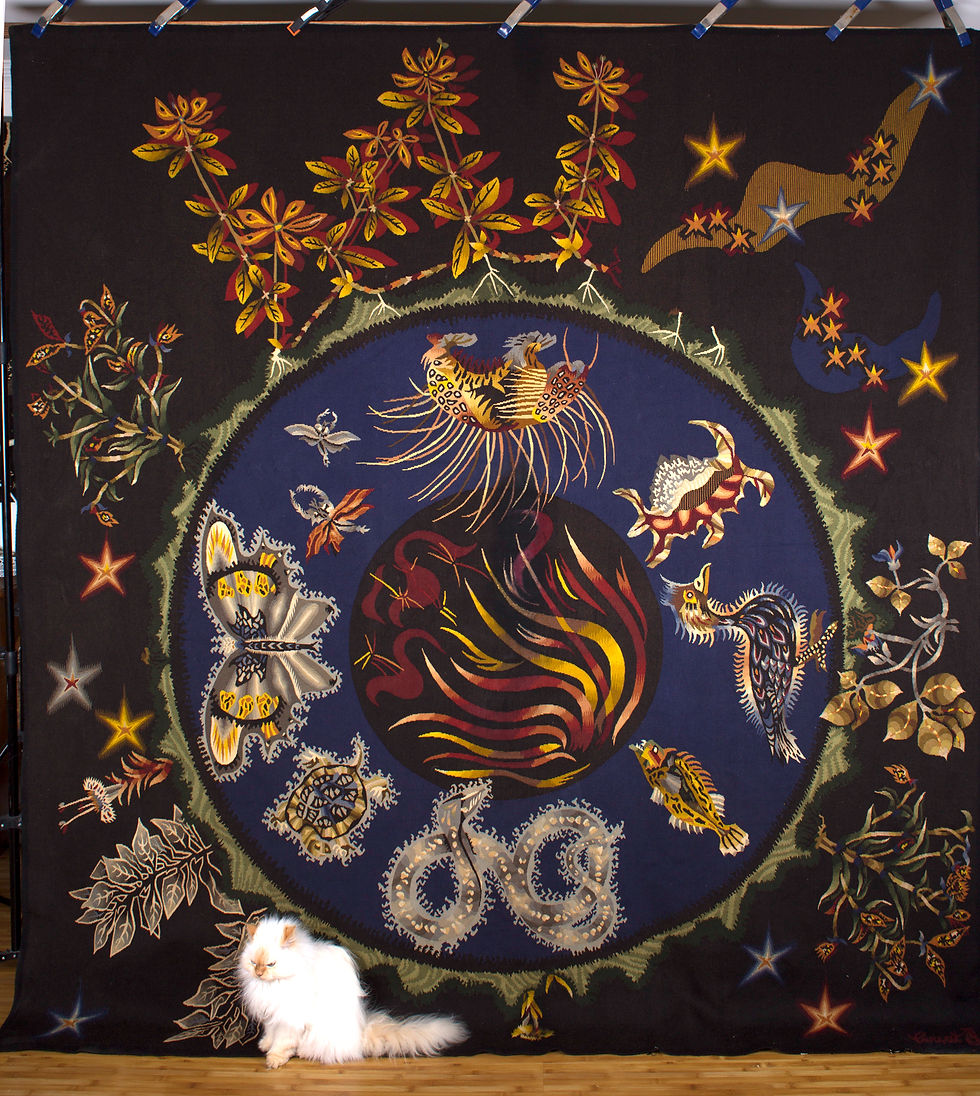
During the Renaissance and the Enlightenment era, French tapestry brought warmth and a touch of nature during the European winter. Verdure (greenery), with animals and a castle as a center point, was the common form. Later, Lurçat and Picart Le Doux revived this art form, simplifying the weaving process to lower its cost and bring new life to the industry. Around the same period, hand serigraphy offered a more accessible alternative — an artisanal technique with roots stretching back centuries, used to reproduce tapestry-like designs by hand, making the aesthetic available to a wider audience




bottom of page